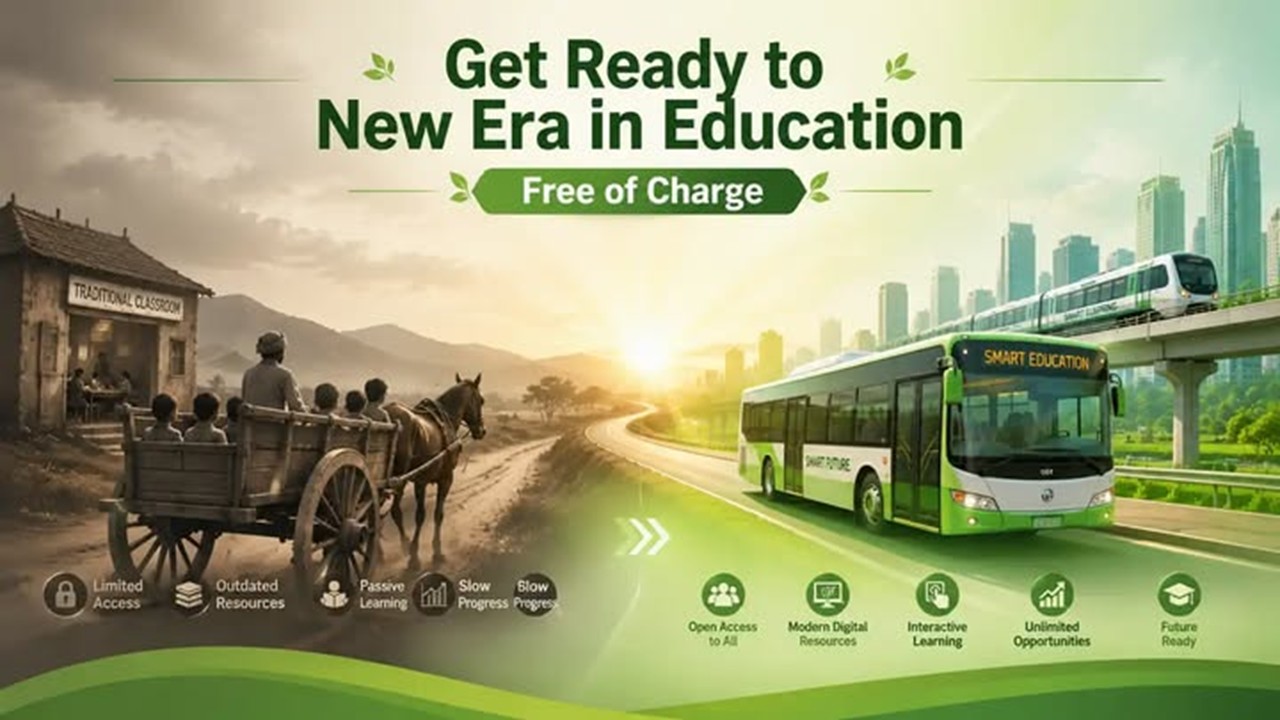

This web is under construction.

This is a web template. web site will be developed need of the sleducation.lk kindly come back after one or two days to see original web site.

Sharing Best Practices

“It is a pleasure to invite all educators to share their best practices, research findings, competencies, and experiences to upgrade the quality of general education in Sri Lanka.

www.sleducation.lk is an open forum that supports all stakeholders in gaining ideas and opinions to drive better education reforms in Sri Lanka, enhancing 21st-century skills and the spiritual well-being of children through the empowerment of STREAM education, modern teaching methodologies, employability skills, entrepreneurship skills, and mindfulness within general education.”

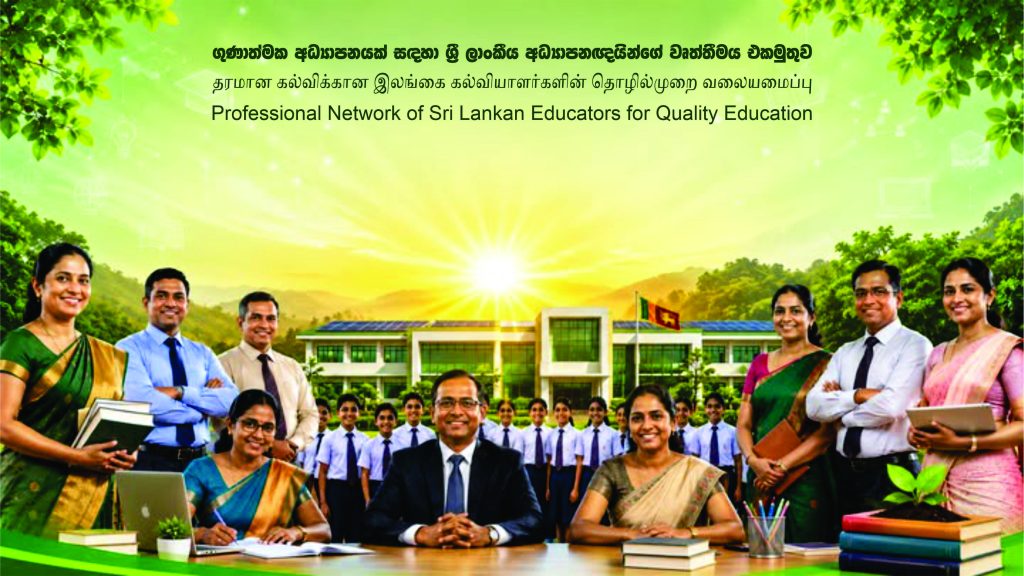
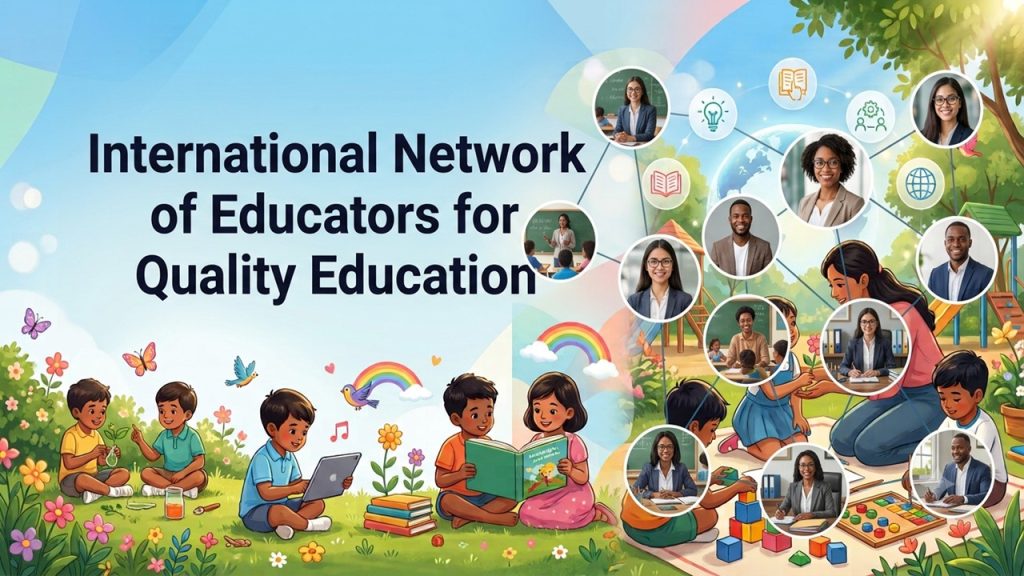
We invite teachers students, teachers, teacher educators, principals, and education administrators to showcase their excellence in promoting quality education through this digital platform.

This is a open platform  to learn from best practices and to contribute by sharing your own expertise and experiences.

We also welcome members of the wider community to share their ideas, perspectives, and expectations to help shape and strengthen the future of quality education in Sri Lanka.”

Current Enrollments
0 K+
Qualified Staff
0 +
Clubs & Activities
0 +
Active PTFA Members
0 +
dr. ginige madam new

පාසල් විෂයමාලා අවබෝධයෙන් යුතු ව ක්‍රියාත්මක කරමින් ශ්‍රී ලාංකිය බාල පරපුරට සෙත සැලසිමට ඔබත් කැමති ද? එසේ නම් මේ සම්බන්ධ වගකීම් පැවරී තිබෙන ගුරු, ගුරු උපදේශක, ගුරු අධ්‍යාපනඥ, විදුහල්පති හා අධ්‍යාපන නිලධාරීන්ට මෙන් ම දෙමාපියන්ට, ශුභ පතන්නන්ට හා පෞද්ගලික පන්නි මෙහෙයවන්නන්ට ද මහඟු අවස්ථාවක්!

* සූම් තාක්ෂණය භාවිත කරන ඩිජිටල් වේදිකාවක් මත
* ප්‍රශ්නෝත්තර ක්‍රමය යොදා ගනිමින්
* නොමිලයේ පැවැත්වීමට සැලසුම් කර තිබෙන
සැසි මාලාවට ඔබත් සහභාගි වන්න.
සැසි අංක 1
විෂයමාලා අරමුණුවල විකාශය
දිනය හා වේලාව
2026 මැයි 3 දින ප.ව. 8.00 සිට ප.ව. 9.00 දක්වා
උපදේශක
දේශමාන්‍ය ආචාර්ය ඉන්දිරා ලිලාමණි ගිනිගේ මහත්මිය
ජාතික අධ්‍යාපන ආයතනයේ
හිටපු නියෝජ්‍ය අධ්‍යක්ෂ ජනරාල්වරියක්
ලියාපදිංචිය සඳහා පහත සඳහන් සබැඳිය යොදා ගන්න.


පළමු සැසියට 2026 මැයි 3 දින ප.ව. 8.00 පහත Link එක හරහා සහභාගි වන්න.

Join Zoom Meeting
https://us06web.zoom.us/j/2024062630?pwd=KwJNIJTDgCJBhmYjHmd4WRLsphod5b.1&omn=84062001646

Meeting ID: 202 406 2630
Passcode: 2025

We aim at inspiring our students to dream more, learn more, do more, and become more in their respective journeys of life.

Jonathan Doe — Headmaster

Quality Education for Sri Lanka

A benchmark forum dedicated to shaping the future of Sri Lankan education, with a strong focus on 21st-century skills and spiritual well-being. This initiative emphasizes the advancement of STREAM education, the adoption of modern teaching methodologies, and the development of employability and entrepreneurship skills, while fostering a culture of mindfulness and holistic growth.

school template curriculum img 1.jpg
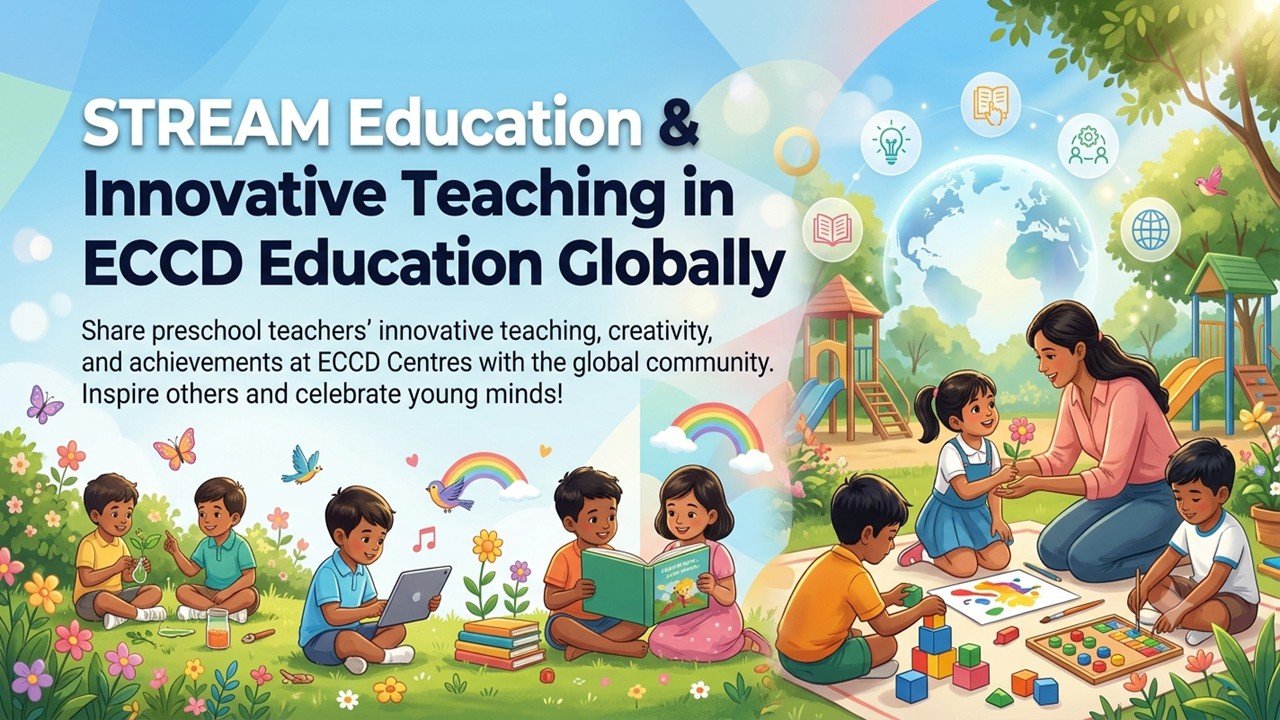
STREAM Education

How STREAM Education can be implemented in Classrooms

school template curriculum img 2.jpg
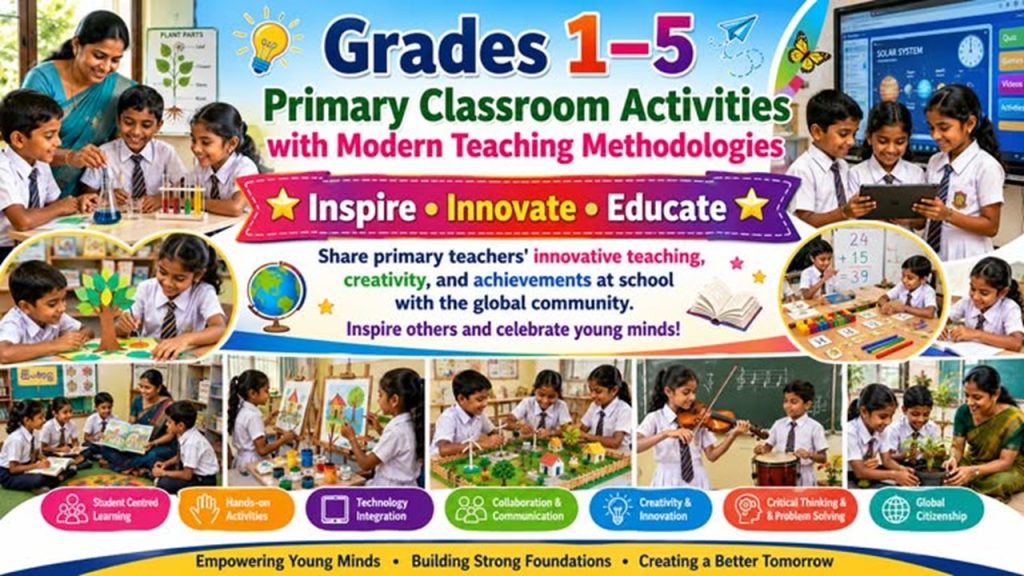
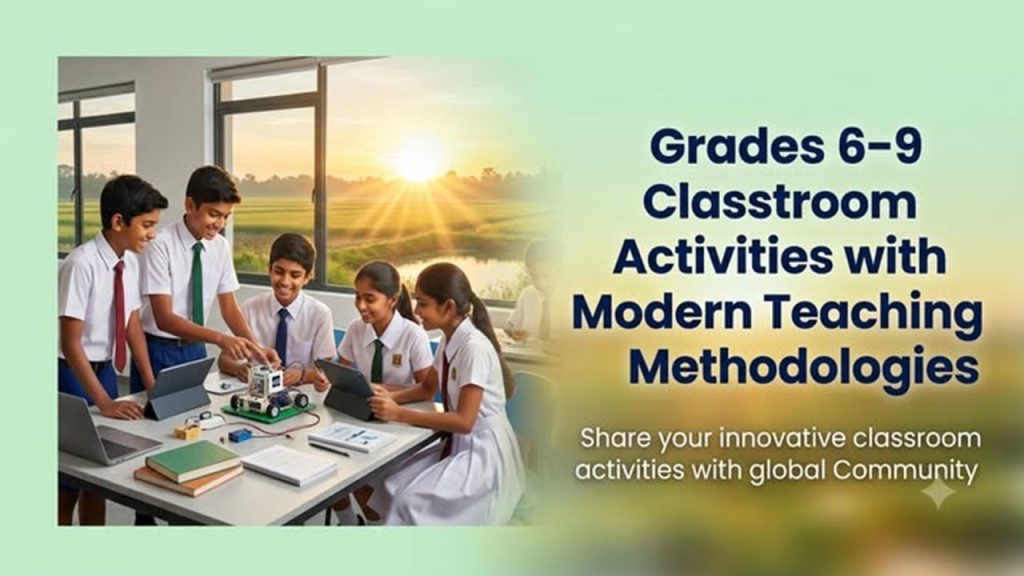
Modern Teaching Methodologies

How Modern Teaching Methodologies can be implemented in Classrooms

school template curriculum img 3.jpg
Assessments & Evaluations

How Assessments and Evaluations should be changed focusing 21st century skills

school template curriculum img 4.jpg
School Management

How school managements should be changed focusing global citizenship with 21st century skills

school template curriculum img 5.jpg
Teacher Empowerment

How Teacher Empowerment should be changed to upgrade the quality of teaching profession

school template curriculum img 6.jpg
SMART School

How school can be developed as SMART school with teachnological enhancement

The SMART School Framework provides a strategic pathway to modernize general education in Sri Lanka. By combining structured standards, technology integration, innovative pedagogy, responsive assessment, and collaborative partnerships, it aims to develop competent, ethical, and future-ready citizens prepared for the challenges of the 21st century.

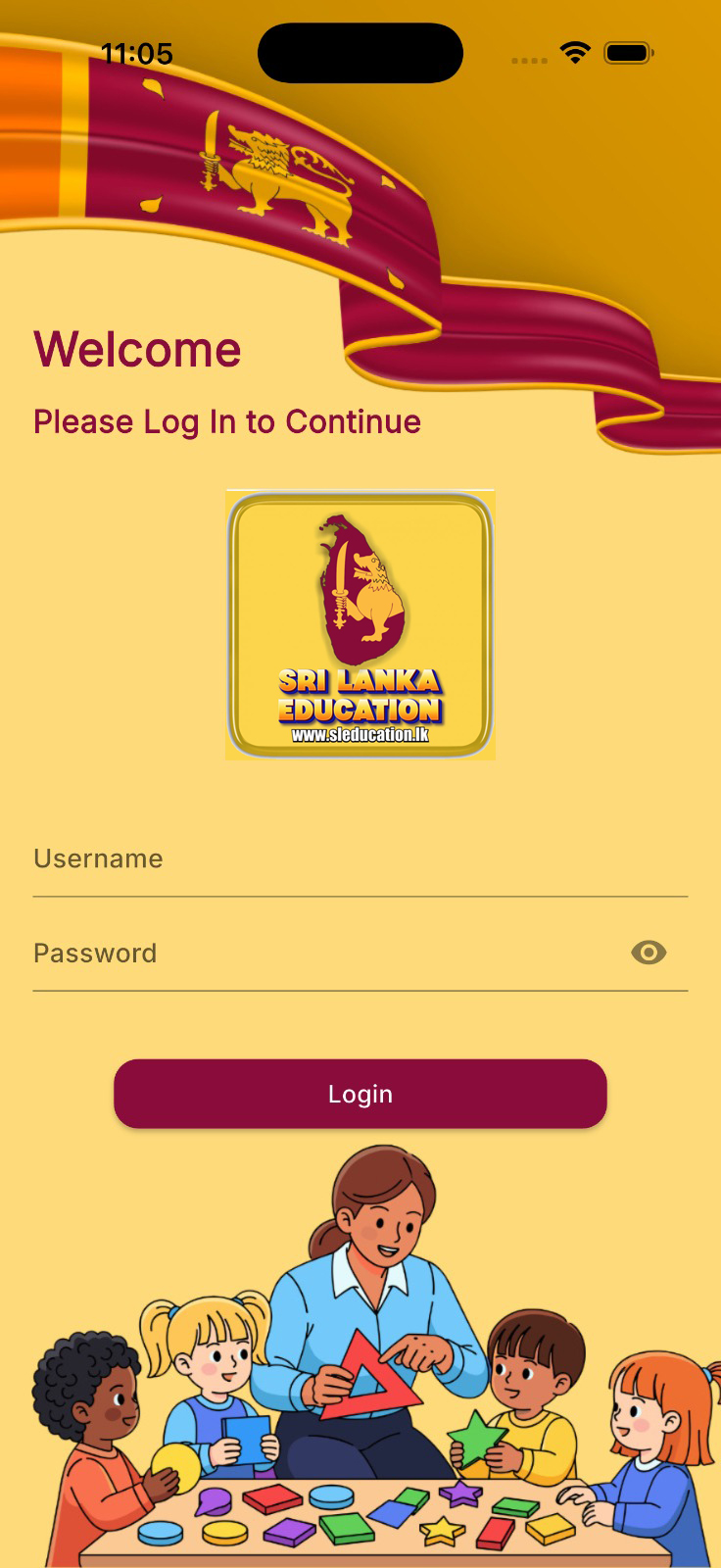
sleducation app front

Core Concept: “SMART School Framework

S – Systematic Learning Standards

Establish a structured, competency-driven education system: Alignment with the national curriculum and global education benchmarks Clearly defined learning outcomes for each grade level (Grades 1–12) Competency-based education focusing on knowledge, skills, attitudes, and values Integration of 21st-century skills such as critical thinking, creativity, collaboration, and communication Continuous curriculum review and quality assurance mechanisms

M – Modern Technology Integration

Enhance teaching, learning, and school management through digital innovation: Smart classrooms equipped with interactive boards, digital content, and devices School-wide Learning Management System (LMS) for blended learning Digital student portfolios and academic progress tracking systems Integration of coding, robotics, and digital literacy into the curriculum Use of data analytics for informed decision-making (AI-enabled systems as a future phase)

A – Active & Experiential Learning

Promote engaging and student-centered learning environments: Inquiry-based, project-based, and problem-based learning approaches Integration of STREAM education (Science, Technology, Reading, Engineering, Arts, and Mathematics) Co-curricular and extracurricular activities to support holistic development Real-world learning experiences, fieldwork, and community-based projects Encouragement of innovation, creativity, and entrepreneurship

R – Responsive Teaching & Assessment

Support personalized learning and continuous improvement: Shift from exam-oriented to continuous and formative assessment methods Differentiated instruction to meet diverse student needs Use of teacher dashboards for monitoring individual student progress Regular feedback mechanisms involving students and parents Early identification and support for learning gaps and special needs

T – Transformational Collaboration

Build strong partnerships for sustainable educational excellence: Collaboration among teachers, school leaders, and students Active parental engagement in the learning process Partnerships with government bodies, universities, and industry stakeholders Exposure to global best practices through international collaborations Establishment of professional learning communities and national knowledge-sharing platforms

Wish to know more about admissions and updates? Subscribe now!